Rent collection in Ghana: mobile money, bank transfers, and when to use each
Both bank transfers and mobile money work for rent in Ghana — and many diaspora landlords prefer the bank. Here's where mobile money makes monthly rent easier, and when a transfer is still the right call.

Ask a new landlord on Poga how they collect rent today and you'll usually hear the same thing: "bank transfer, plus WhatsApp screenshots." It works, until it doesn't. The transfer takes three days to clear. The screenshot is fake. The reference is wrong. The bank holds the money for "compliance review."
Both bank transfers and mobile money have a place in Ghana — and plenty of diaspora landlords still prefer the bank. So this is a practical look at when each one earns its place, not an argument for picking a side. Whatever cadence the lease lands on — a year up front, quarterly, or monthly — there's a smoother default for moving the money. It has been sitting on your tenant's phone all along.
What MoMo does for a landlord

Mobile money — MTN MoMo, Telecel Cash, AirtelTigo Money — settles within seconds. The tenant types your number, types the amount, types their PIN. You get an SMS the moment it lands. The receipt is in MTN's system, not in a JPEG someone could fabricate.
The fees are honest:
- Sending tenant — pays a flat 1% (capped at GHS 10) on rent transfers.
- Receiving landlord — pays nothing on the credit. You pay 1% only when you withdraw to cash, which most landlords don't bother doing because they pay contractors / service charges directly from the wallet.
Compare a typical bank transfer for the same GHS 1,500 rent:
- Sending tenant — GHS 5–10 in transfer fees + 2–3 day clearing window.
- Receiving landlord — sometimes a "deposit fee" if the source bank isn't on the same network.
- Reconciliation — you have to read the reference field. Tenants routinely type the wrong reference. You guess.
What Poga adds on top
We're not the bank. MoMo + the cedi is the bank. What we add is the part banks and standalone MoMo don't do:
- A unique reference per tenant per month so the credit lands against the right ledger automatically. No more guessing whether the unlabeled GHS 1,500 was Kwame or Akua.
- Reminders three days before due, on due day, three days after. The reminders go via SMS — the channel landlords keep telling us their tenants actually read.
- A late-fee policy you set once. 5% after 5 days, 10% after 10 days, whatever your lease says. The system applies it; the tenant sees it on the next reminder.
- A receipt every time, automatic. PDF, branded, sent to the tenant. Your accountant gets a CSV at month-end that matches the bank reconciliation line-by-line.
What about paying a year upfront?
In Ghana — and across a lot of African markets — most rent is still paid in big chunks. A year, sometimes two, up front. That’s how leases have always worked here, and both rails handle it: a tenant can MoMo a year of rent in one go (subject to the daily limit), or wire it from a bank account.
Moving onto a proper rail doesn’t mean pushing everyone onto monthly. The idea is that if a tenant prefers to pay in smaller chunks — and many would, given the option — the same channel makes that easy. The lease sets the cadence; the channel just carries the payment.
That direction may also be where the law is heading. A proposed update to Ghana’s Rent Act would cap advance rent at six months, down from the year-or-two that’s common today. Whatever your lease ends up agreeing, having proper invoices, reminders, and receipts makes any cadence easier to manage — for both sides.
When you'd still want a bank transfer
Two cases:
- Commercial tenant. A registered company writing a cheque from its corporate account books the expense more cleanly than a wallet pull.
- A deposit you'll hold for years. MoMo isn't designed for sitting capital. Move the security deposit to a separate cedi savings account the day you receive it.
For rent on a residential unit, whatever the cadence, mobile money is usually the easier default — though a bank standing order the tenant already trusts works fine too.
The tenant onboarding bit
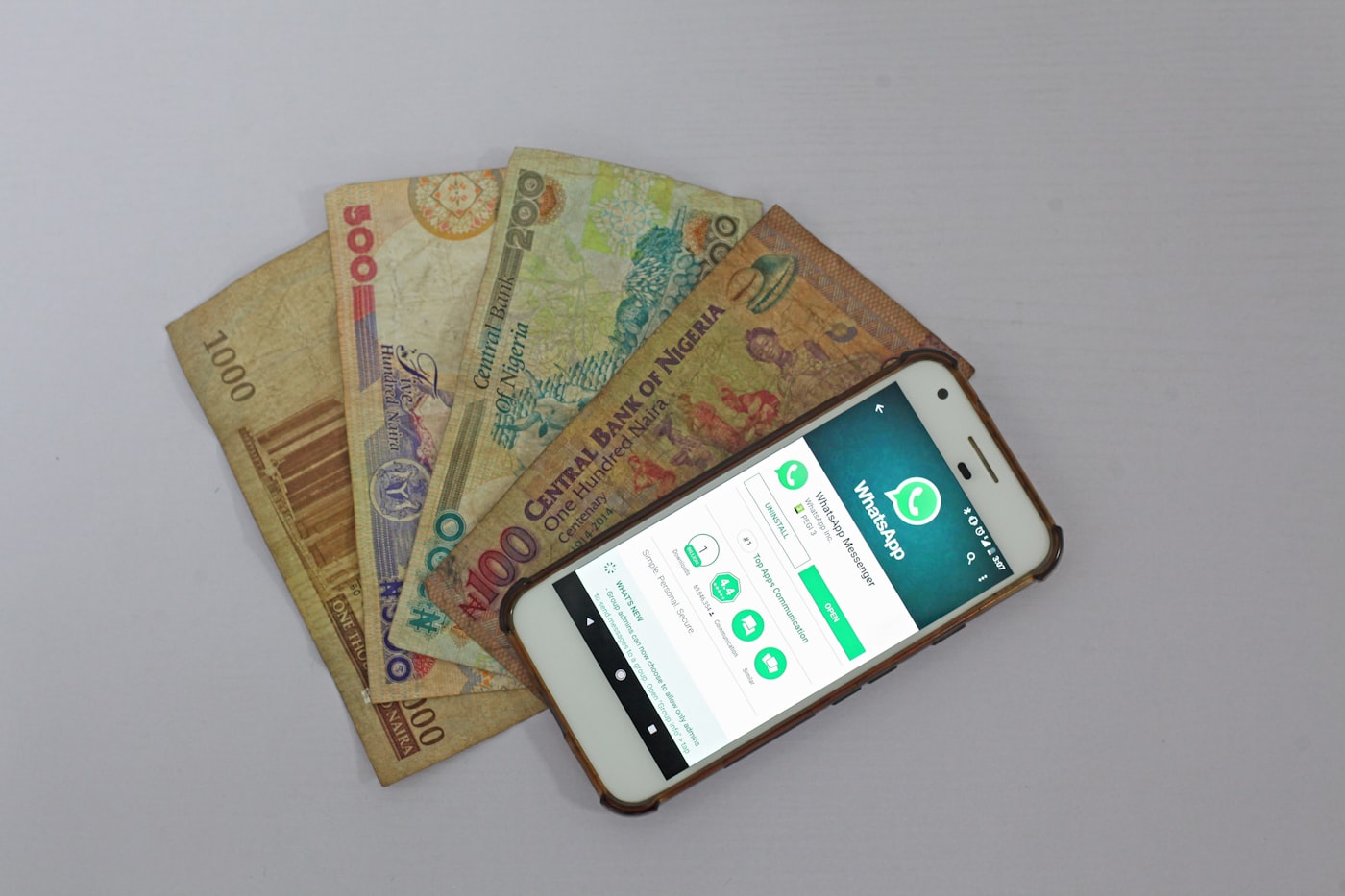
The single biggest source of friction we see: tenants who say "I don't have MoMo set up properly." Usually they do have it; they’ve just never sent more than GHS 200, so their daily limit is still stuck at GHS 1,000.
The fix is a five-minute trip to any MTN service centre with their Ghana Card. Limit goes up to GHS 50,000 daily. Most landlords we work with put this in the lease as a Day-1 task — alongside signing the inventory.
If you're managing units from abroad, this is the part you can't do for your tenant. But you can write the step into the move-in checklist and have your manager verify it before they hand over keys.
What changes after one cycle
Three months in, every landlord we've onboarded reports the same shift:
- Late payments drop. Not because the tenants got better — because the friction of paying disappeared.
- Disputes drop. Not because tenants got more honest — because there's nothing to dispute. The receipt has the timestamp, the amount, the reference, and the network's signature.
- The landlord stops thinking about rent. Whatever the cadence, rent day becomes a Slack-quiet day. Money lands. Receipt fires. Done.
That last one is the whole point. Rent collection should be the most boring part of being a landlord. A bit of plumbing on top of MoMo finally gets it there.
💡 Collect rent on Poga. Local-payment rails, automatic reminders, and a receipt every time — set up at poga.app.

